What Level of Fitness Do You Need?
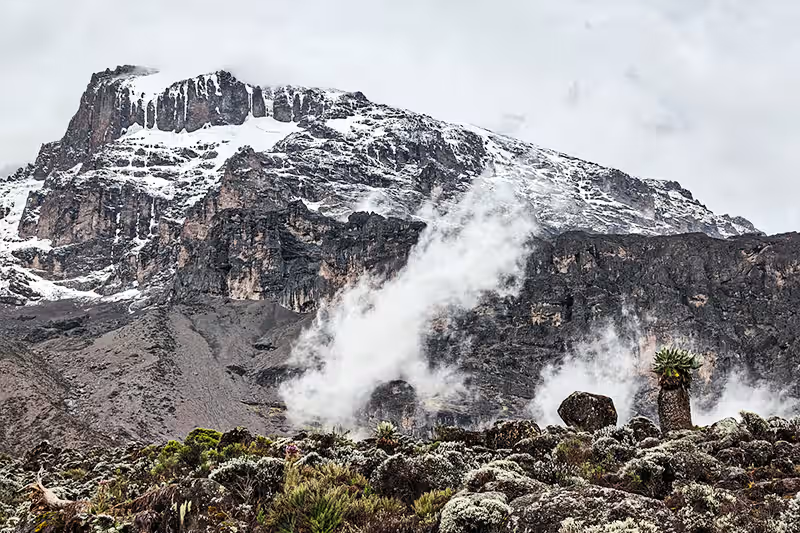
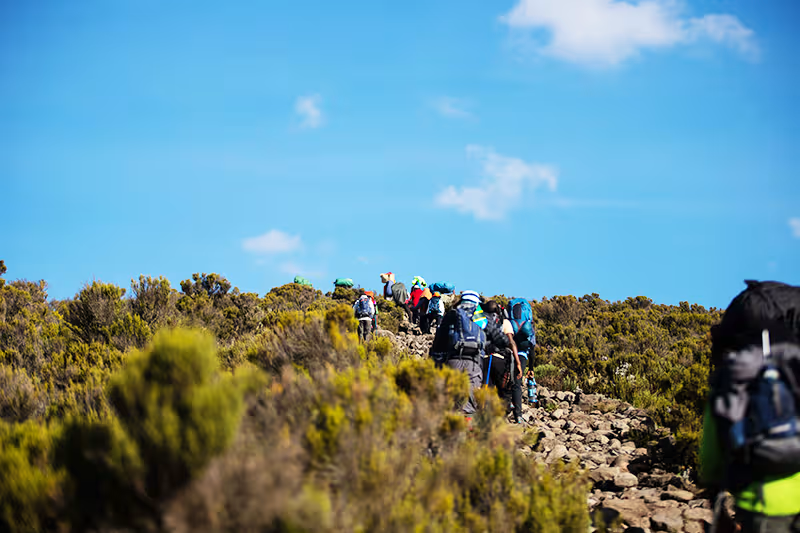
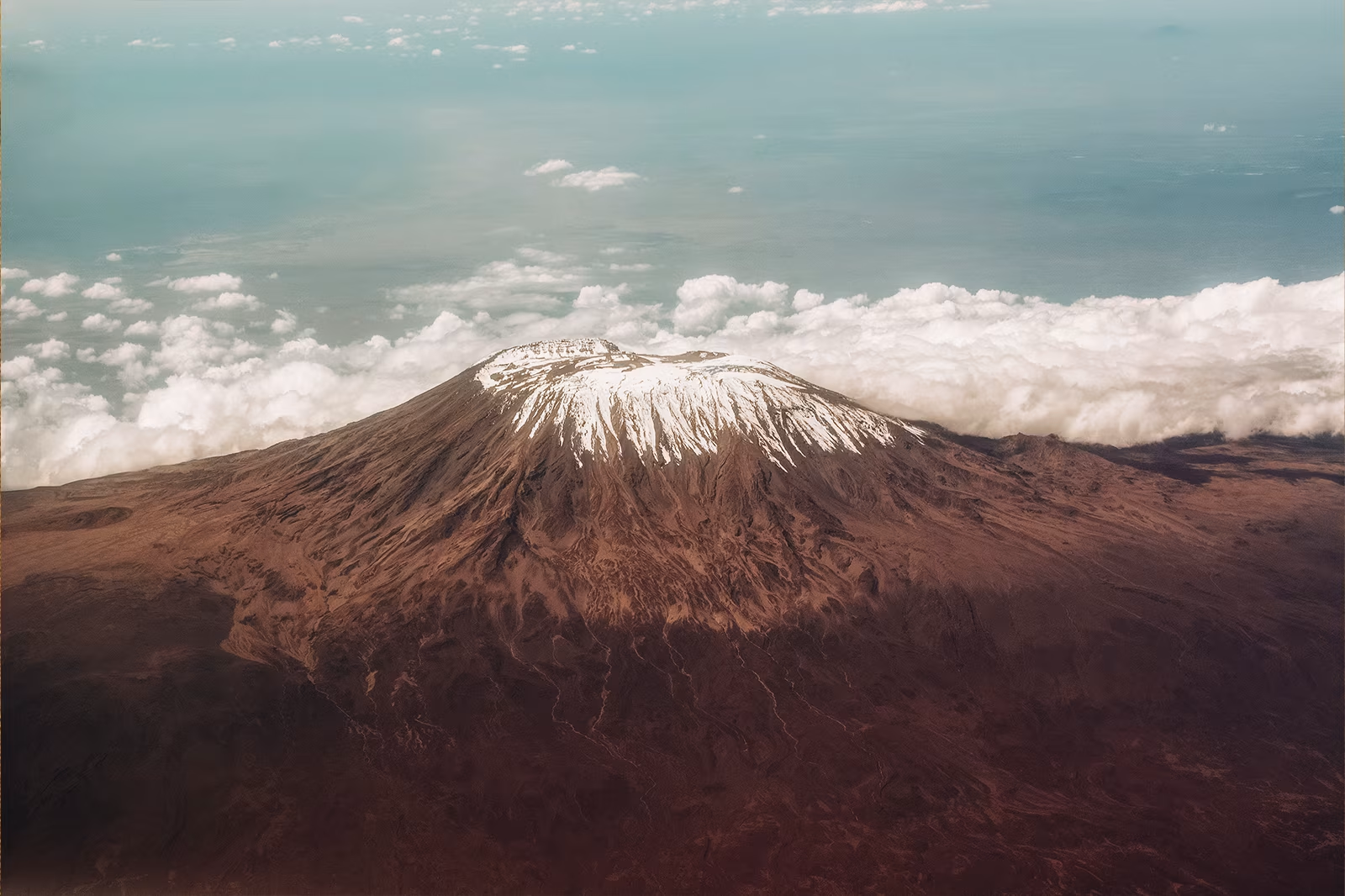
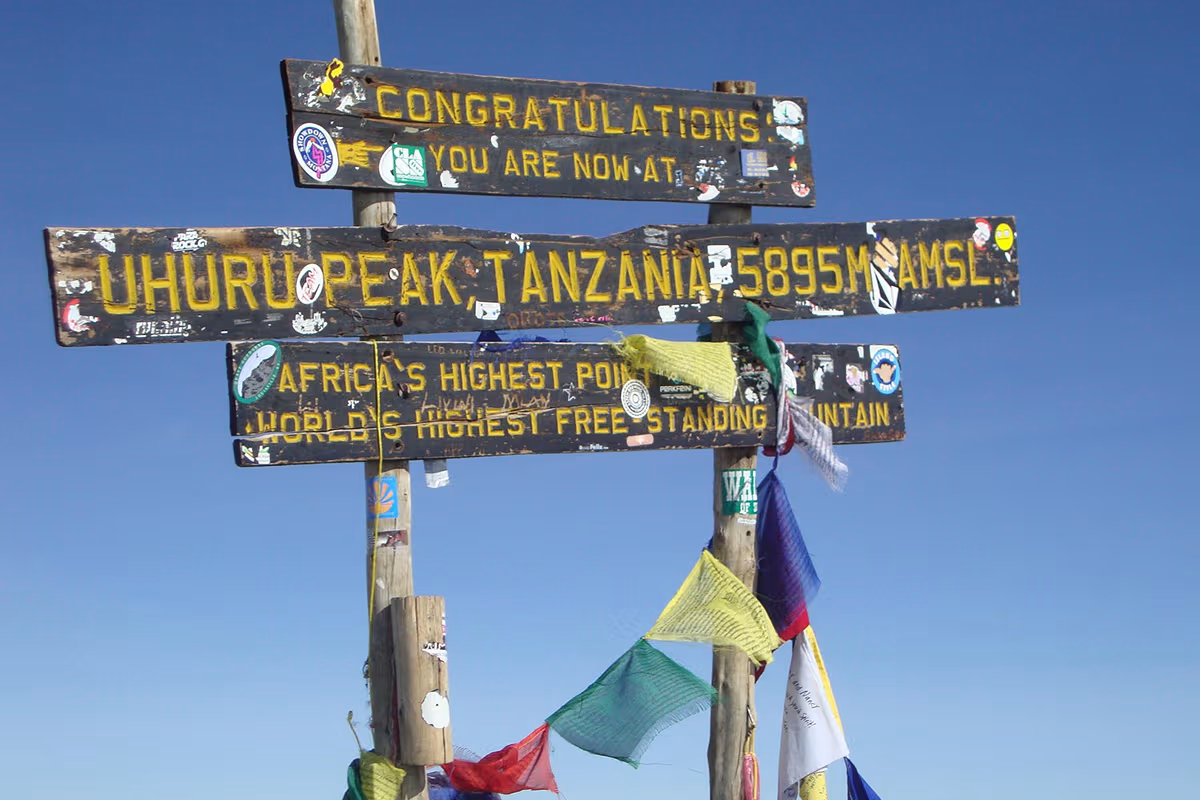
Kilimanjaro is a long, high-altitude trek — not a technical climb. You do not need to be a mountaineer. What you do need is the ability to walk 5–8 hours per day for 6–8 consecutive days at altitudes up to 5,895 metres. Previous high-altitude experience is helpful but not essential.
The summit attempt is particularly demanding — typically 7–9 hours of uphill walking at altitudes above 5,500 metres, starting at midnight, in sub-zero temperatures. Fitness helps enormously, but the correct acclimatisation pace (which your AMG guide will manage) is the most important factor.
12-Week Training Programme
Weeks 1–4: Build Your Base
Focus on building cardiovascular endurance through consistent, moderate-intensity activity.
- 3 × 45-minute runs per week at a comfortable conversational pace
- 1 × long hike on weekends (90 minutes, building to 3 hours by week 4)
- Bodyweight strength training 2× per week (squats, lunges, step-ups, core work)
- Start with flat terrain; introduce hills from week 3
Weeks 5–8: Increase Load
- Run 4 × per week — include one interval session for VO2 max improvement
- Long weekend hike now 4–5 hours with a 10 kg pack
- Begin stair climbing (30-minute sessions) to simulate altitude trekking
- Add single-leg strength exercises for ankle stability
Weeks 9–12: Simulate the Climb
- Full-day hikes (6–8 hours) with 12–15 kg pack on consecutive days
- One back-to-back weekend: hike Saturday AND Sunday
- Focus on consistent pacing — not speed
- Taper in week 12: reduce intensity, maintain movement, rest
The Most Important Factor: Pace
'Pole pole' — slowly, slowly — is the mantra of every Kilimanjaro guide. The single biggest predictor of summit success is pacing: walking slow enough to allow your body to acclimatise. Strong, fit trekkers fail when they push too hard on day one. Your AMG guide will set the pace.
If you have access to an altitude training mask or can access high-altitude terrain before your climb (3,000m+), use it in weeks 9–12. Even a weekend at altitude helps prime your body's acclimatisation response.
Essential Gear for Training
- Quality broken-in hiking boots — most critical item
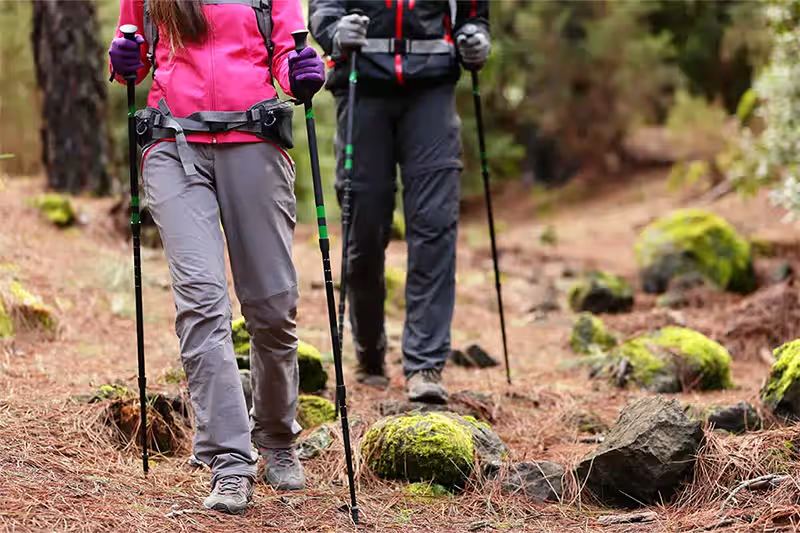
- Trekking poles — practise using them on hills
- Headlamp — train one night session to simulate the summit push
- Moisture-wicking base layers
- Your actual summit kit — field-test everything before Tanzania
AMG Safaris offers all four main Kilimanjaro routes with KINAPA-licensed guides. View our routes and pricing — or contact us for a personalised recommendation.
Ready to Experience Tanzania?
Turn this article into your reality. Our experts will design your perfect safari — no obligation.